How emotion drives long-term marketing success

Tony Downing
Director
One of the most powerful and often underestimated tools in marketing is emotion.
If there’s one thing I wish more businesses understood about marketing, it’s this: emotion is not a ‘nice to have’ – it’s a commercial advantage.
Recent research into effective advertising consistently points to three things that the best-performing campaigns have in common. This comes from System1’s “Compound Creativity” research, conducted in partnership with the IPA Effectiveness Databank, which analysed thousands of campaigns and their long‑term business impact:
- Consistency
- Creativity
- Emotional connection
On the surface, none of that sounds revolutionary. Yet in practice, most businesses struggle to achieve even one of these, let alone all three at once. In the race for growth, attention often shifts to short-term tactics, new messages, new looks, new offers; anything that feels like progress. What gets lost is the compounding power of emotional connection, delivered creatively and reinforced consistently over time.
Humans are wired for emotion
We don’t need to look far for proof that emotion works. The entire entertainment industry – film, television, music, sport – is built on it. We laugh, cry, feel inspired, feel nostalgic, feel hopeful. We don’t engage because the plot is logical; we engage because it makes us feel something.
Marketing is no different.
When a brand unlocks emotion in its communication, it moves beyond transactions and into relationships. Emotion allows people to see themselves in your story. It creates memory, preference and trust. Logic might help justify a decision, but emotion is what sparks it in the first place.
Finding your emotional truth
The question we’re often asked is: “But how do we use emotion without it feeling forced or fake?”
The answer is simpler than it sounds. It starts with identifying your emotional truth.
There’s a broad spectrum of emotions brands can draw from – happiness, pride, nostalgia, reassurance, excitement, belonging. The right one isn’t chosen at random; it comes from your values and what genuinely matters to your business and your audience.
If your brand stands for family, then your stories should reflect care, connection and togetherness. If you stand for independence or ambition, then confidence and optimism might be your emotional anchor. Emotion works best when it’s an authentic extension of what you already believe.
From products to living, breathing stories
This is where brand storytelling, colour, design and photography do the heavy lifting.
On their own, products and services can be dry, functional things. Important, yes – but rarely inspiring. When wrapped in a clear story, supported by a considered colour palette, elegant design and purposeful photography, they become something else entirely.
They become living, breathing pieces of communication.
This is the shift from speaking to the head, to connecting with the heart. And that’s where true brand value is created. As someone responsible for managing a brand, this kind of connection is marketing gold – and it’s worth investing in.
A local example: Olive Estate
A good local example of this approach is our work on the Olive Estate Lifestyle Village brand.
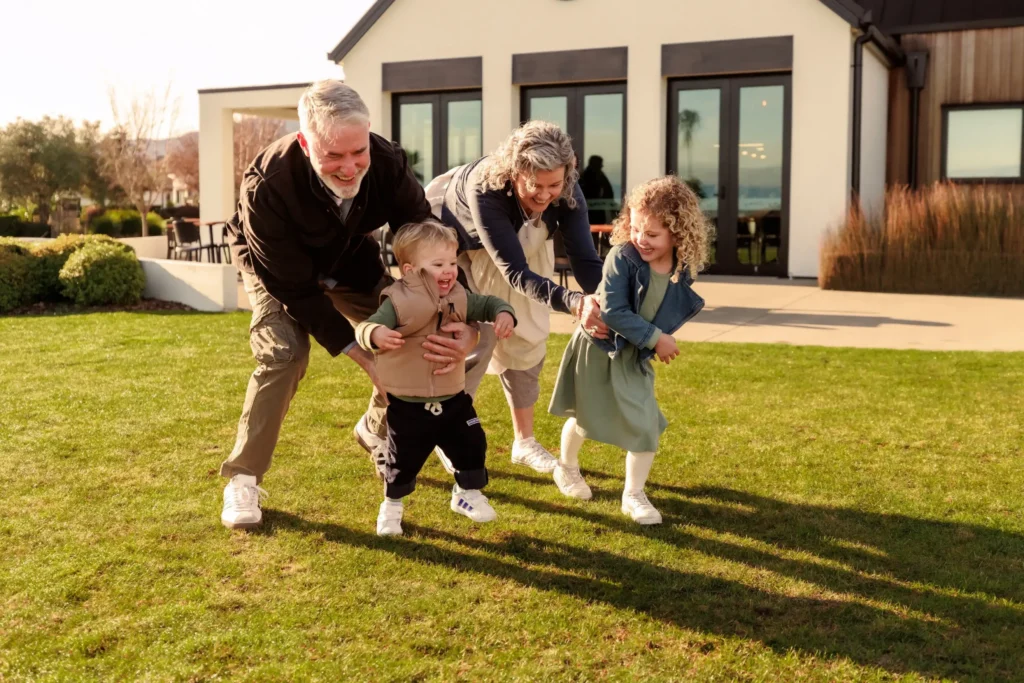
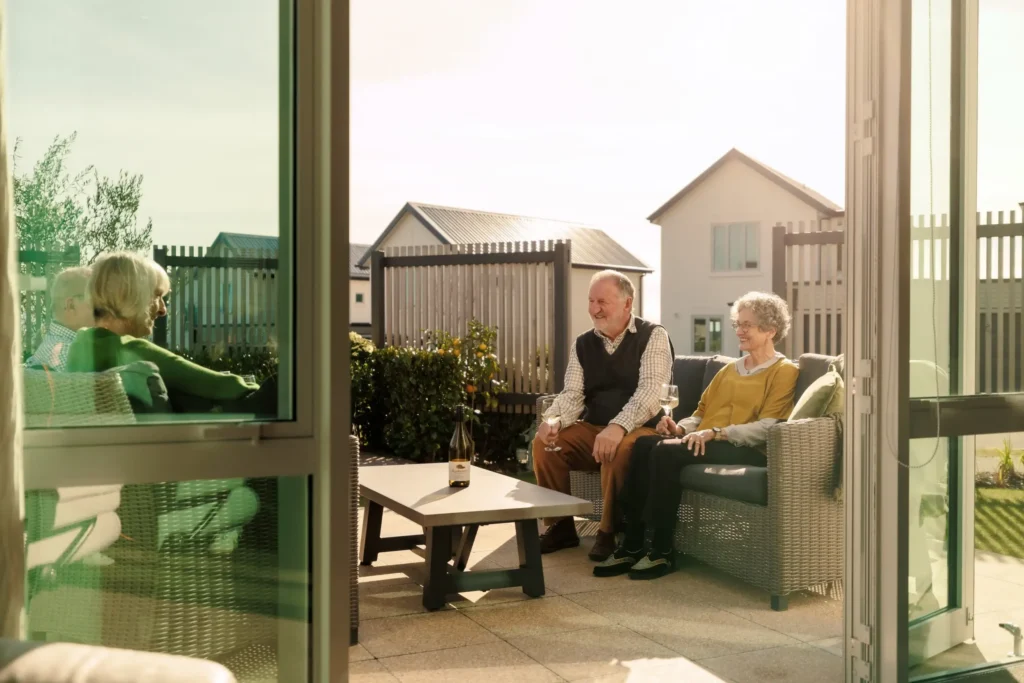
From the outset, the goal wasn’t just to explain what Olive Estate is, but to communicate how it feels to live there. Story was central. Colour was used to evoke warmth and calm. Design was deliberately elegant and restrained. Photography focused on light, space and moments of connection.
The result is communication that goes beyond features and amenities, and instead creates an emotional picture of lifestyle, belonging and reassurance. It’s a clear demonstration of how emotion, creativity and consistency can work together to build meaningful engagement.

No Ai or stock photography here; Nelson families and Olive Estate residents were photographed enjoying the lifestyle that Olive Estate offers. Warm light and colours support the images of people sharing moments of joy and happiness that come from celebration, connection and family. Brand strategy and creative by Downing, photography by Lumiere.

Why consistency matters
One of the more surprising findings from recent advertising research is just how powerful consistency really is.
We often assume people want something new all the time. In reality, familiarity builds trust. When emotion and creativity are applied consistently – through the same stories, the same visual cues, the same tone of voice – their impact compounds over time.
Strong brands don’t constantly reinvent themselves. They refine, reinforce and repeat what already works.
The takeaway
Emotion is one of marketing’s true superpowers. Used well, it turns brands into stories people care about, remember and choose.
When emotion is combined with strong creativity and delivered consistently, it stops being a soft concept and becomes a serious driver of business growth. For organisations willing to invest in this space, the rewards go far beyond awareness – they build genuine, lasting connection.
And in a world full of noise, emotional connection is what really cuts through.
Source: System1, in partnership with the IPA Effectiveness Databank – “Compound Creativity” research.