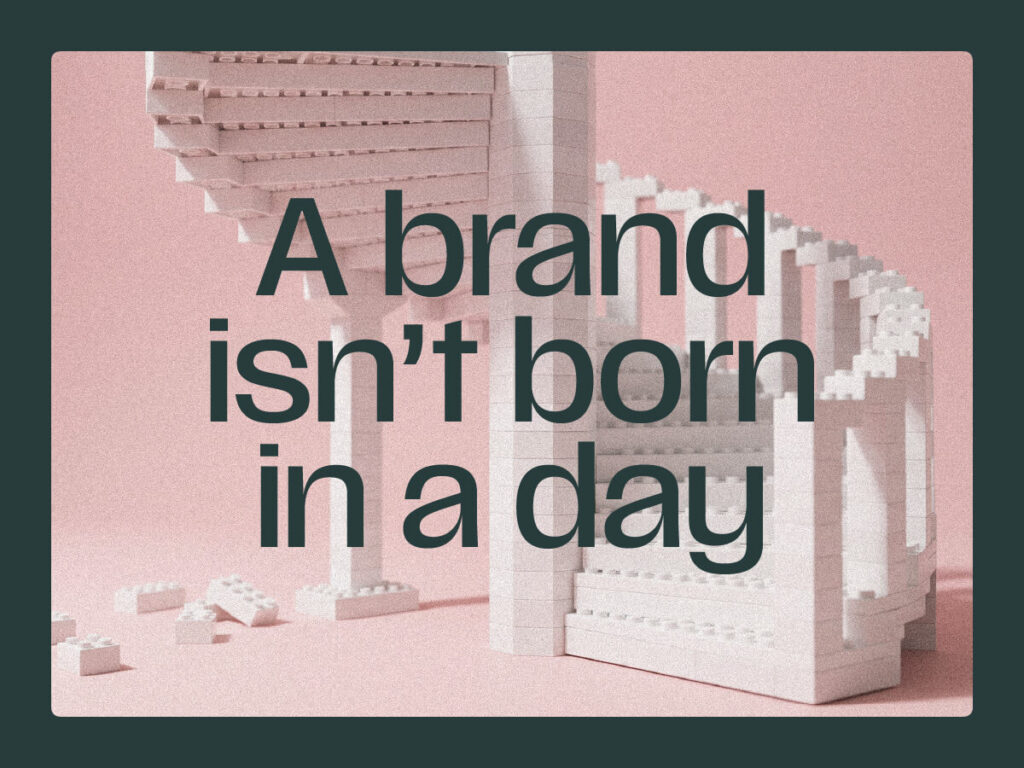
Hopefulness is the fuel that makes growth possible.

Tony Downing
Director

Hope as the engine of growth
I think that anxiety and hopefulness are very similar. Both are ways of imagining the future. Anxiety imagines a future that has gone wrong, and it sits there simmering, a low-level unease that quietly drains energy and creativity. Hope imagines a future that has gone right, and it does the opposite. It energises. In my experience, it is the real engine behind creative breakthroughs and commercial ambition. Nobody builds something new without first believing it can be better.
Vaclav Havel put it better than I can:
“Hope is not the conviction that something will turn out well, but the certainty that something makes sense, regardless of how it turns out.”
Hope is not pretending everything is fine. It is looking straight at the pressure, the pain, the tough trading conditions, and choosing to act anyway because the direction still makes sense.
Conviction vs. wishful thinking
This thought makes me think of a recent conversation with Barry Sheridan, CEO of NPDGull. Downing has worked with Barry and the NPD team for the best part of 20 years, and this year we have supported NPD through a merger with Gull Fuel. The result has been the creation of New Zealand’s largest independent fuel network, now moving over a billion litres of fuel each year. Barry started with NPD as a part-time employee back in the 1990s. He now leads and has a majority share in New Zealand’s largest independent fuel company.
I asked Barry if he sees himself as a big risk-taker. He stepped back from that straight away, and said:
“Everything we do is carefully considered, deeply thought through, and only moved on when we know it’s the right thing to do.”
The boldness and the speed people see from the outside is really conviction, not recklessness. It’s a hope built on certainty, on a plan that’s been properly worked through, not on wishful thinking. That is exactly the distinction Havel is making. Barry’s hope isn’t blind optimism. It was a clear-eyed belief in a future he had already done the work to earn.
Hopeful leadership beats limiting anxiety
The businesses that lean into a clear, well-considered, hopeful story of where they’re headed tend to make braver decisions, lead their teams with more confidence, push on through the tough times, and market themselves with more conviction. The ones stuck in anxious holding patterns tend to play it safe, and playing it safe rarely builds a strong brand.
So the choice facing every business leader is not whether hard things are happening. They are. The choice is whether you meet them with anxiety or with hope. One shuts creativity down. The other is what creativity runs on.
Choose hopefulness. It’s better for business and for you.